
Explore. Understand. Transform.
As WSU’s largest undergraduate program, a top 100 ranked clinical psychology program, and a top 10 ranked online psychology program (U.S. News & World Report), we are at the forefront of research, training, and service in psychology.
Our faculty and students explore the complexities of the human mind through specialized programs in adult psychopathology, health psychology, clinical child and adolescent psychology, neuropsychology, industrial/organizational, and social psychology.
Through applied research opportunities, clinical training, and practical experience, the WSU psychology program equips students with the skills to understand human behavior and support mental well-being. Students are prepared to create lasting, positive changes for individuals and communities.
Through the WSU Psychology Clinic, we extend our reach beyond the classroom. As a nonprofit community mental health center, our clinic provides low-cost, evidence-based psychotherapy and psychological assessments to children, adolescents, adults, and veterans across the Palouse region. Under the supervision of licensed clinical faculty, our advanced doctoral students deliver compassionate, high-quality care that honors the choices and personal experiences of those we serve. From mental health solutions to enhancing well-being across the lifespan, we are transforming the future of psychology.
Department of Psychology in the News

Cannabis intoxication disrupts many types of memory
Smoking cannabis can do more than blur memories. It can reshape them.

Prenatal infection increases risk of heavy drinking later in life
Exposure to infection and other immune stress in the womb increases the likelihood of alcohol misuse in adulthood, a risk that may be reduced through prenatal antioxidant treatment, a new Washington State University study shows.
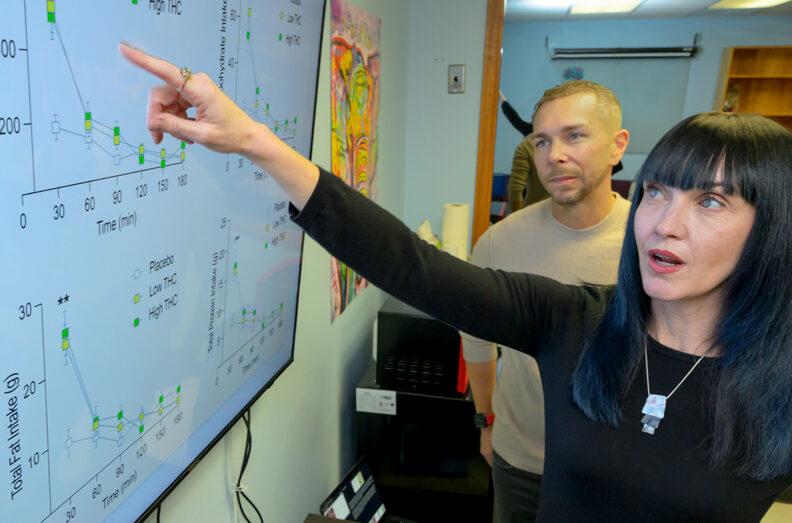
‘The munchies’ are real and could benefit those with no appetite
The urgent onset of “the munchies” after cannabis use isn’t imaginary — it’s a cognitive response that occurs regardless of sex, age, weight or recent food consumption and could offer clues to help people struggling with appetite loss.
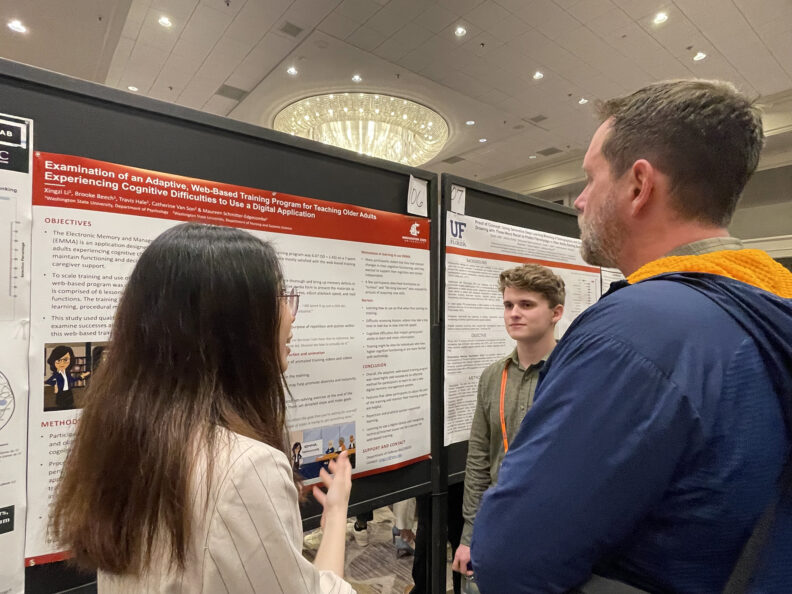
Developing assistive technologies for cognitive neurodegeneration
As technology rapidly advances, a group of Washington State University researchers and students are looking at how wearable devices, smart home systems, and even artificial intelligence can support older adults experiencing neurodegeneration and dementia.