Adult Psychopathology Research
Stephanie Bauman
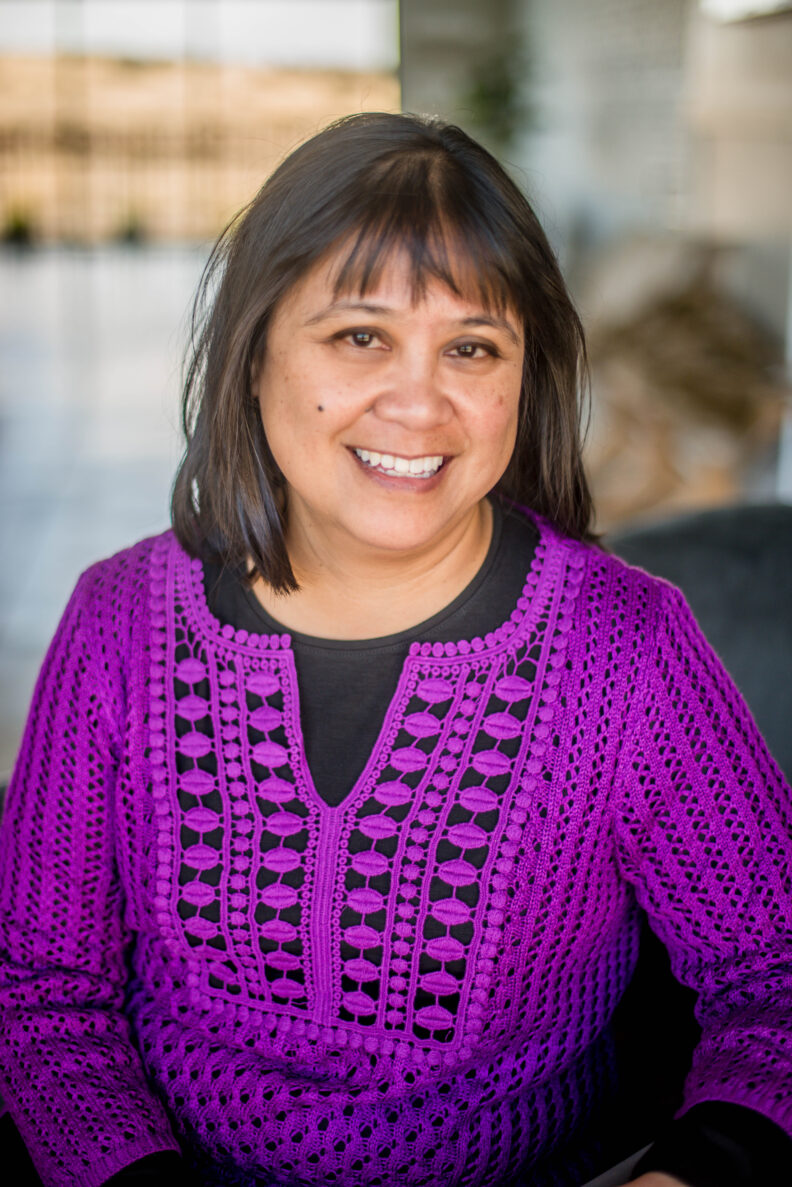
Stephanie Bauman’s Lab examines the quality of life of cancer patients, survivors, and caregivers across the lifespan. In the area of multicultural psychology, my research interests include risk and resiliency of diverse students in educational and career contexts.
Conny Kirchhoff
Hsin-Ya Liao
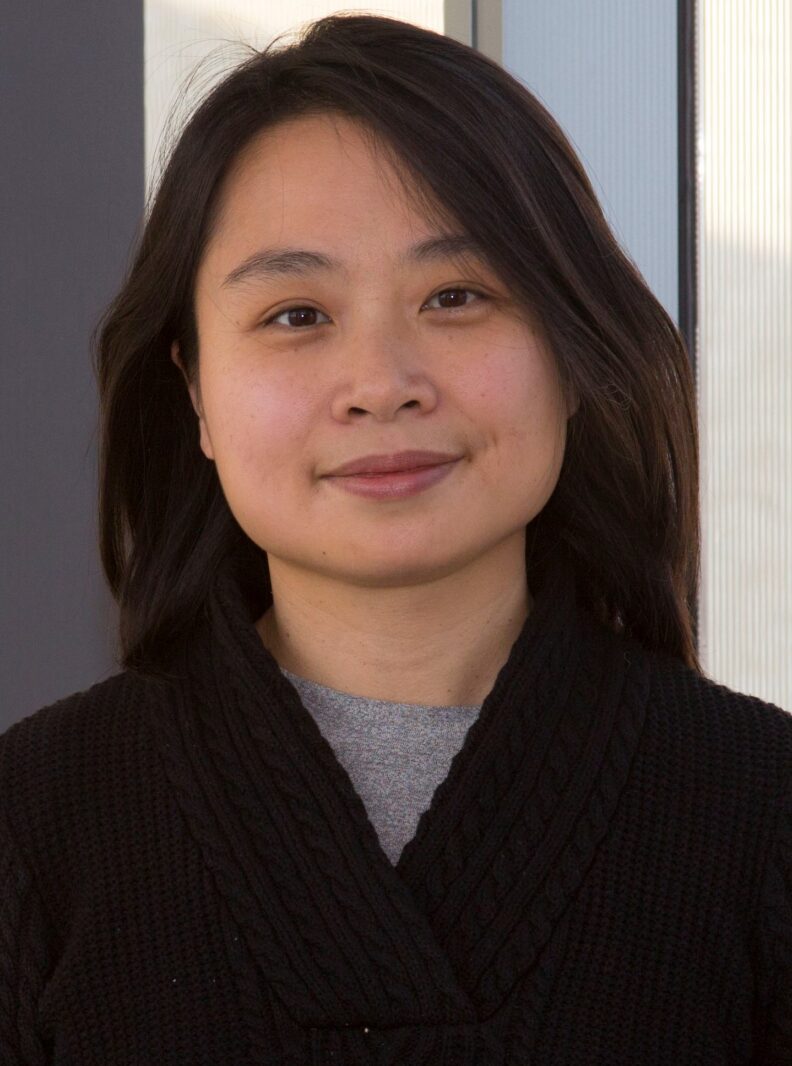
In the Culture, Assessment, and Well-being Lab, we examine the role of culture and diversity on mental health service delivery and psychological wellbeing. We also examine the vocational interest structure and assessment across culture, advocating a greater use of the indigenous interest measures than the imported ones.
David Marcus

David Marcus’s Lab is exploring psychopathy and other externalizing disorders, interpersonal factors in psychopathology and psychotherapy, and cognitive factors in health anxiety.
Maureen Schmitter-Edgecombe
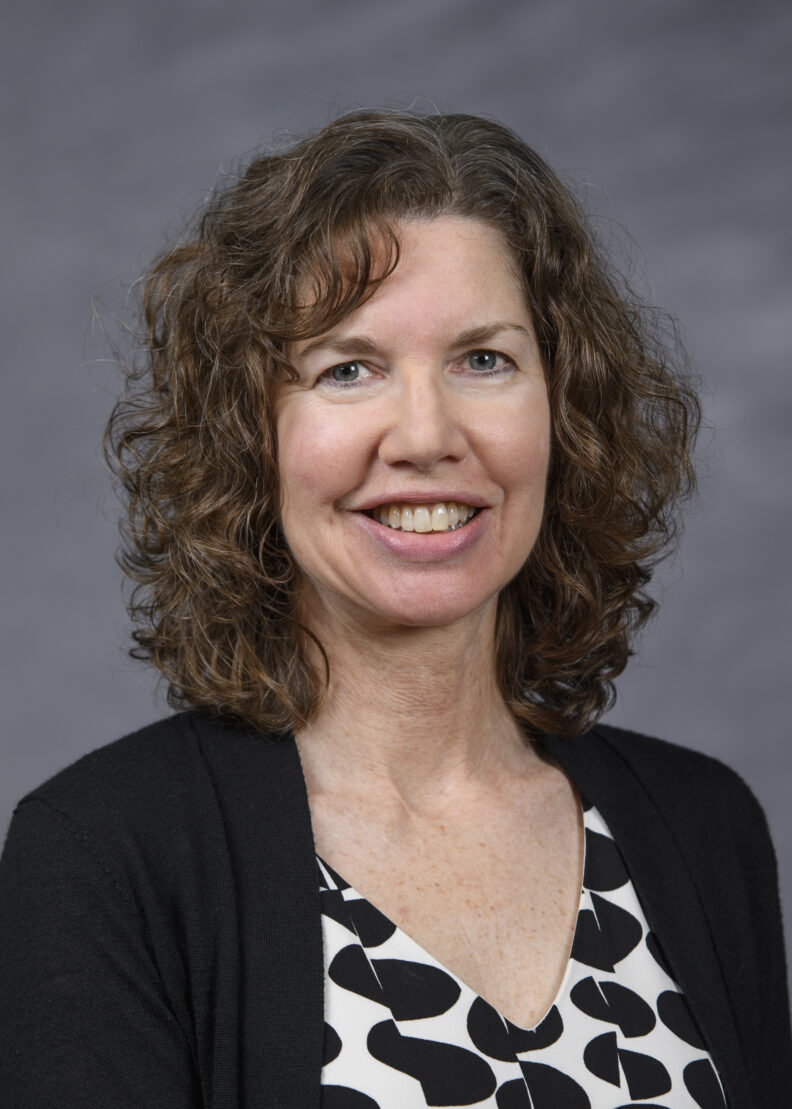
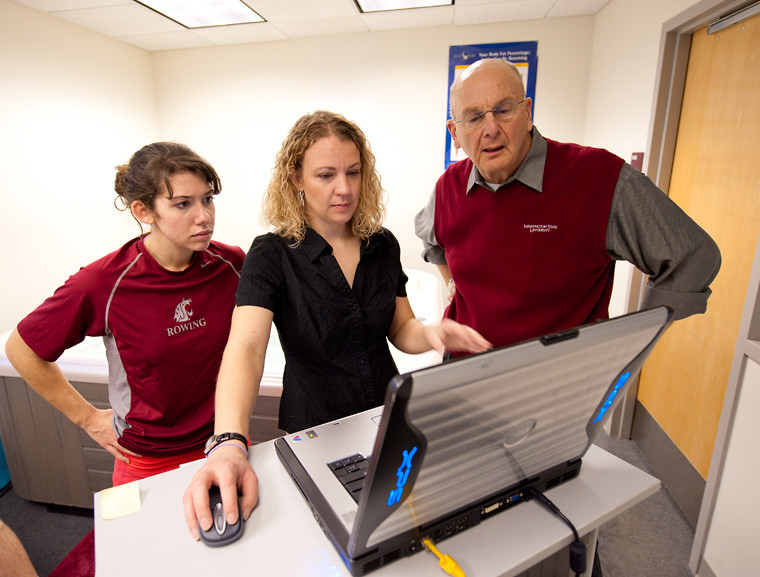
Maureen Schmitter-Edgecombe’s Neuropsychology and Aging Lab has a goal to develop cognitive interventions that will help older individuals with progressive dementia (e.g., Alzheimer’s disease) delay functional disability and increase their quality-of-life. Participants in many of our studies are healthy older adults and early-stage dementia patients who complete standardized neuropsychological tests and cognitive experimental tasks that assess different cognitive skills (e.g., memory, problem-solving). We are currently investigating the relationship between memory deficits and everyday functional disabilities, and experimenting with a memory notebook and smart environment technologies to help persons with dementia compensate in their daily lives for declining memory.
Traumatic Brain Injury Neuropsychology Research Lab
Difficulties with memory, attention and complex problem-solving are common cognitive problems that can occur after someone experiences a traumatic brain injury (TBI). By bridging basic science research with rehabilitation techniques, our work is designed to help persons with TBI overcome cognitive difficulties. Participants in our studies complete standardized neuropsychological tests and cognitive experimental tasks that assess many different types of cognitive abilities. In conjunction with St. Luke’s Rehabilitation Institute in Spokane, we are currently investigating the recovery process of several important cognitive abilities (e.g., time perception, prospective memory, focused and divided attention, and metamemorial abilities) following a TBI.
Walt Scott

Broadly, Walter Scott is interested in basic personality structures and processes (e.g., temperament, self-beliefs/schemata, goals, etc.), how to measure them, and how to understand their contributions to personality functioning and to clinical depression.